The Department of Biochemistry and Molecular Biology at Indiana University School of Medicine comprises a vibrant community of talented scientists and educators. Research within the department is focused on uncovering the mechanisms of fundamental biological processes and the molecular bases of critical health problems including diabetes, cancer, neurological disorders, infectious diseases, immunological disorders, cardiovascular malfunctions and alcoholism. Students and faculty in this department thrive in a friendly scientific environment that is fundamentally based on intra- and- inter-departmental collaboration.
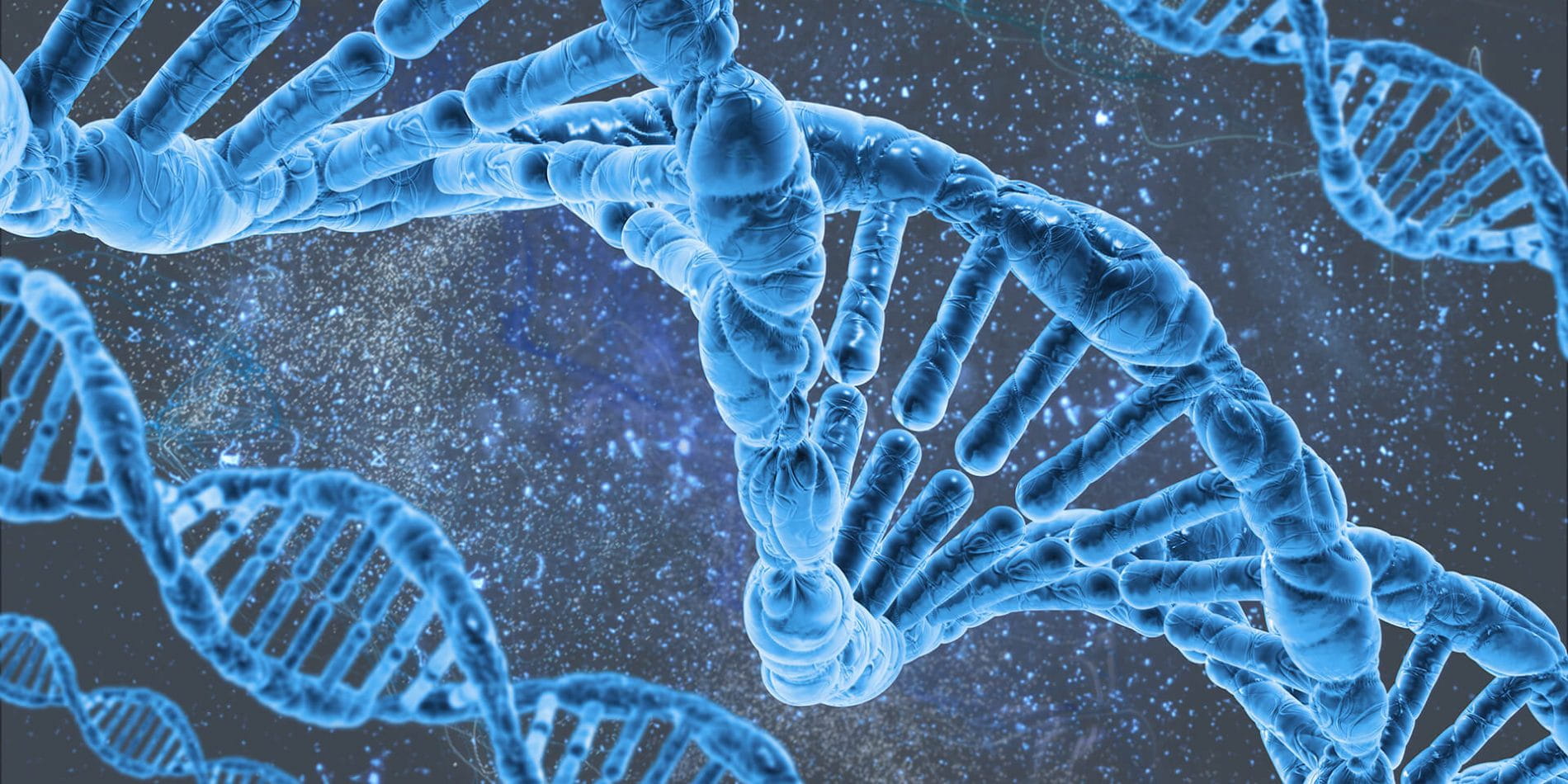
Biochemistry and Molecular Biology
Exceptional research facilities with a collaborative culture

Education
Department faculty teach and mentor medical students as well as graduate students and fellows conducting postdoctoral research. The Department of Biochemistry and Molecular Biology prepares learners for successful careers in modern biomedical sciences through enriching medical school courses and MS and PhD graduate programs.
Learn More Education

Research
Most of the department’s tenure-track faculty members are involved in well-funded and productive multi-department research. These investigators benefit from modern research facilities and advanced instrumentation as well as close affiliation with IU School of Medicine’s research centers.
Learn More Research

Faculty
Department faculty are among the leading medical researchers nationwide studying the biochemical and molecular basis of cancer, diabetes and obesity, neurological disorders, infectious diseases, cardiovascular malfunctions, and alcoholism. Many are working collaboratively as part of the school’s major research centers.
Learn More Faculty
26
Tenure-Track Faculty
16
Research-track Faculty
50
Graduate Students

Quyen Q. Hoang, PhD
Professor of Biochemistry & Molecular Biology
In the Hoang research group, our focus is to uncover the molecular pathways leading to the disease state and to design drugs that would block these pathways. To do this, we are examining the biochemical and biophysical properties of the proteins in these pathways to piece them together like assembling a puzzle and to use each piece of the puzzle as a framework to design drugs that block them from interlocking with each other.

Millie M. Georgiadis, PhD
Professor of Biochemistry & Molecular Biology
Research in the Georgiadis lab focuses on understanding the mechanisms
by which protein-nucleic acid interactions regulate biological processes
including transcription, replication, and DNA repair. Investigation of
these functionally significant protein-nucleic acid interactions
involves structural work, primarily X-ray crystallography, NMR, and
cryoEM, complementary biochemistry and/or enzymology, development of
small molecule probes, and cell-based approaches.
Exploring Critical Disease States
The faculty in the Department of Biochemistry and Molecular Biology are vigorously engaged in research focused on understanding the biochemical and molecular bases of fundamentally important biological processes. Faculty and students in this department are working at the forefront of research to probe the molecular mechanisms of cancer, diabetes and obesity, neurological disorders, infectious diseases, and alcoholism.
Graduate Degree Programs
IU School of Medicine Department of Biochemistry and Molecular Biology prepares students for successful careers in modern biomedical sciences—in clinical medicine, industry and academics—through courses for medical students as well as MS and PhD graduate programs. The department is large and well-equipped to provide abundant support for learners at all levels—from MD students through postdoctoral fellows. Students graduate with the knowledge and skills necessary to succeed in the field of biochemical sciences and have a valuable ability to communicate scientific concepts and findings to diverse audiences.